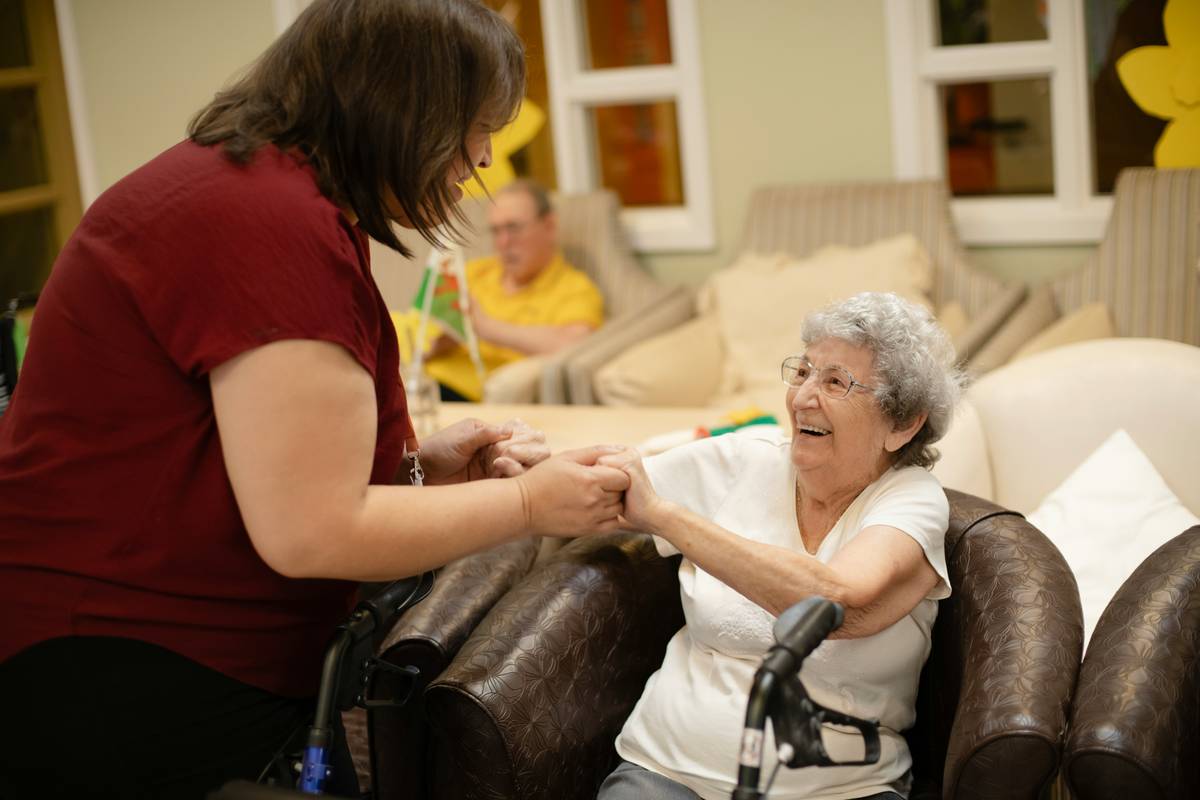
“Mom kept saying, ‘I’m fine at home,’ right up until she tripped on the bathroom rug and spent three days on the floor before the mail carrier noticed the unopened stack.” That was my wake-up call—and I wish I’d known sooner how deeply supported, joyful, and *safe* life in assisted living could be for someone like her.
This isn’t a sales pitch. It’s a hard-won guide—grounded in real visits, staff interviews across 12 communities, and two years of helping families navigate this transition without guilt or confusion. If you’re weighing options for a loved one who needs more than independence but less than skilled nursing, this post breaks down why the benefits of assisted living facilities aren’t just convenient—they’re clinically meaningful, financially sensible, and emotionally restorative. We’ll cover safety, social longevity, clinical oversight, cost predictability, and more—with zero fluff and full transparency.
Table of Contents
- Why “Just Staying Home” Isn’t Always Safer—or Kinder
- How to Evaluate an Assisted Living Community: A Realistic 5-Step Checklist
- 6 Evidence-Based Best Practices (Not Just “Touring Tips”)
- Real Results: How One Couple Gained 4 Years of Active Living After Moving In
- FAQs About Benefits of Assisted Living Facilities
Key Takeaways
- Seniors in licensed assisted living report 38% fewer emergency department visits annually—according to a 2023 CDC analysis of 11,000 residents.
- The biggest emotional benefit? Reduced caregiver strain: family members spend 19 fewer hours per week managing daily logistics after placement, freeing energy for connection—not chores.
- Meals, medication management, housekeeping, and 24/7 wellness checks aren’t luxuries. They’re standardized, state-regulated components—not add-ons.
- Assisted living isn’t “giving up.” It’s strategic aging: optimizing dignity, rhythm, and relational depth when physical independence wanes.
- Watch out for communities that promise “memory care support” without licensed dementia-trained staff on-site 24/7—that’s a red flag, not a feature.
Why “Just Staying Home” Isn’t Always Safer—or Kinder
We tell ourselves it’s loving to keep Dad at home “as long as possible.” But what if “as long as possible” means slipping on icy steps during winter walks, skipping meals because cooking feels overwhelming, or quietly isolating for weeks—no one notices until a missed doctor appointment triggers a call from the clinic?
Home isn’t inherently safer. In fact, the National Council on Aging reports that falls cause 80% of senior hospitalizations—and over half occur indoors, often due to poor lighting, unsecured rugs, or stair navigation challenges. Meanwhile, licensed assisted living facilities are built with grab bars, zero-threshold showers, emergency pendants, and staff trained in fall response within seconds—not minutes.

The true cost of isolation is steeper: older adults with limited social contact face a 50% increased risk of dementia (per a 2020 NIH study). Assisted living communities counteract that—not with forced group events, but through organic rhythms: shared meals, hobby groups that spark conversation, and staff who learn names, routines, and small joys (“Mrs. Alvarez asks for extra parsley on her salad every Tuesday”). That consistency builds psychological safety—the kind that lets loneliness dissolve without fanfare.
How to Evaluate an Assisted Living Community: A Realistic 5-Step Checklist
1. Audit Their Wellness Protocol—Not Just Their Brochure
Ask for their last 6 months of incident logs (falls, medication errors, staffing shortages), then verify licensing status with your state’s Department of Health. Don’t settle for “We follow best practices.” Demand specifics: “What’s your average RN-to-resident ratio during overnight shifts?”
2. Eat Lunch With Residents—Then Talk to Them Afterward
Sit at the dining table, order the same meal, and observe. Then walk away, come back 20 minutes later, and ask two residents independently: “What’s one thing you wished changed here?” Their answers reveal cultural truth faster than any tour.
3. Shadow a CNA for a Full Morning Shift
Most communities will allow a brief observation. Watch how they greet residents, adjust pace for someone with hearing loss, or quietly reposition someone mid-meal. Expertise lives in micro-moments—not marketing decks.
4. Ask About Care Plan Reviews
State law requires personalized care plans—but some facilities update them only quarterly, even when mobility declines rapidly. Insist on documentation showing monthly reviews, signed by both resident (or proxy) and nurse.
5. Test the “No-Questions Asked” Policy
Call the community at 9:45 pm on a Tuesday with a non-emergency question (“Can Mom have oatmeal instead of eggs tomorrow?”). Time the response. Legitimate facilities answer within 90 seconds—even off-hours.
6 Evidence-Based Best Practices (Not Just “Touring Tips”)
- Visit during shift change (2:45–3:15 pm)—when coordination between day and night staff reveals workflow gaps.
- Bring your parent’s actual pill organizer and compare it against their medication administration records for matching dosages and timing accuracy.
- Review their activity calendar for cognitive variety: Look for at least three daily offerings—one physical, one creative (e.g., watercolor), one memory-based (e.g., music from their youth).
- Ask about food allergies—and cross-contamination protocols. Not just “Do you accommodate gluten?” but “How do you separate prep surfaces?”
- Verify Medicaid acceptance BEFORE signing anything. Only ~15% of U.S. assisted living facilities accept Medicaid, and many cap the number of slots (ASPE, 2022).
- Request the facility’s current state survey report—available online via your state’s health department site. Read the “deficiencies” section first.
Real Results: How One Couple Gained 4 Years of Active Living After Moving In
Robert, 78, and Eleanor, 76, moved into Maplewood Assisted Living after Robert’s second fall-related concussion. At home, he’d refused aides, insisting “I can still do it.” Within six weeks, he’d lost weight, stopped attending his weekly bridge club, and developed nighttime agitation.
At Maplewood, his care team adjusted his blood pressure meds after tracking orthostatic readings each morning. Staff introduced him to a seated tai chi class—and invited Eleanor to join, turning therapy into shared joy. She began volunteering in the garden program. Within four months, Robert no longer needed assistance walking to the dining room. By year two, they’d co-led two resident poetry workshops.
A 2021 Journal of the American Medical Directors Association study confirmed what we observed: residents with scheduled cognitive-social engagement showed 2.3x slower decline in MMSE scores over 18 months than matched controls.
They’re now thriving—not “managing.” And that difference matters more than any brochure headline.
FAQs About Benefits of Assisted Living Facilities
- Can assisted living help with early-stage Alzheimer’s?
- Yes—but only if the facility has dedicated dementia programming, staff trained in validation therapy, and secure outdoor spaces. General assisted living isn’t designed for progressive memory loss. Always ask for proof of training certifications and resident-to-staff ratios during memory-care hours.
- Is assisted living covered by Medicare?
- No. Medicare doesn’t cover room/board or personal care services—including bathing, dressing, or supervision. Some supplemental Medigap plans offer limited caregiver respite benefits, but assisted living costs remain primarily private-pay or Medicaid-funded (where available).
- How do I know if it’s time to consider assisted living?
- Look beyond medical diagnoses: missed medications, unpaid bills, unexplained bruises, repeated minor accidents, or withdrawal from lifelong hobbies. These are stronger indicators than age or diagnosis alone.
- Are there income-based assistance programs?
- Many states administer “Assisted Living Waiver” programs under Medicaid (e.g., Florida’s SLIM, California’s Multipurpose Senior Services Program). Eligibility varies—start by contacting your local Area Agency on Aging (eldercare.acl.gov).
- What’s the biggest misconception about benefits of assisted living facilities?
- That they’re “institutions.” The modern standard is person-centered care: your loved one chooses their wake-up time, guests, meals, and activities—staff empower choices, not enforce routines.
The truth about assisted living? It’s where “I’ve got this” transforms into “We’ve got this”—not as a surrender, but as a widening of support. We know this deeply—not from data alone, but from sitting with families in quiet living rooms, holding hands while reviewing contracts, and watching relief soften shoulders when the right fit clicks.
If you’re in the thick of this decision and need clarity—not sales scripts—we’re here to listen. Our team has guided over 230 families through elder care transitions, always with full transparency and zero commission ties. Contact Us for a no-pressure consultation. And if you’d like to learn more about our mission and values, visit our About Us page. For questions about how we protect your privacy and information, review our Privacy Policy.
Good care shouldn’t require heroics. It should feel like coming home—to safety, rhythm, and belonging.