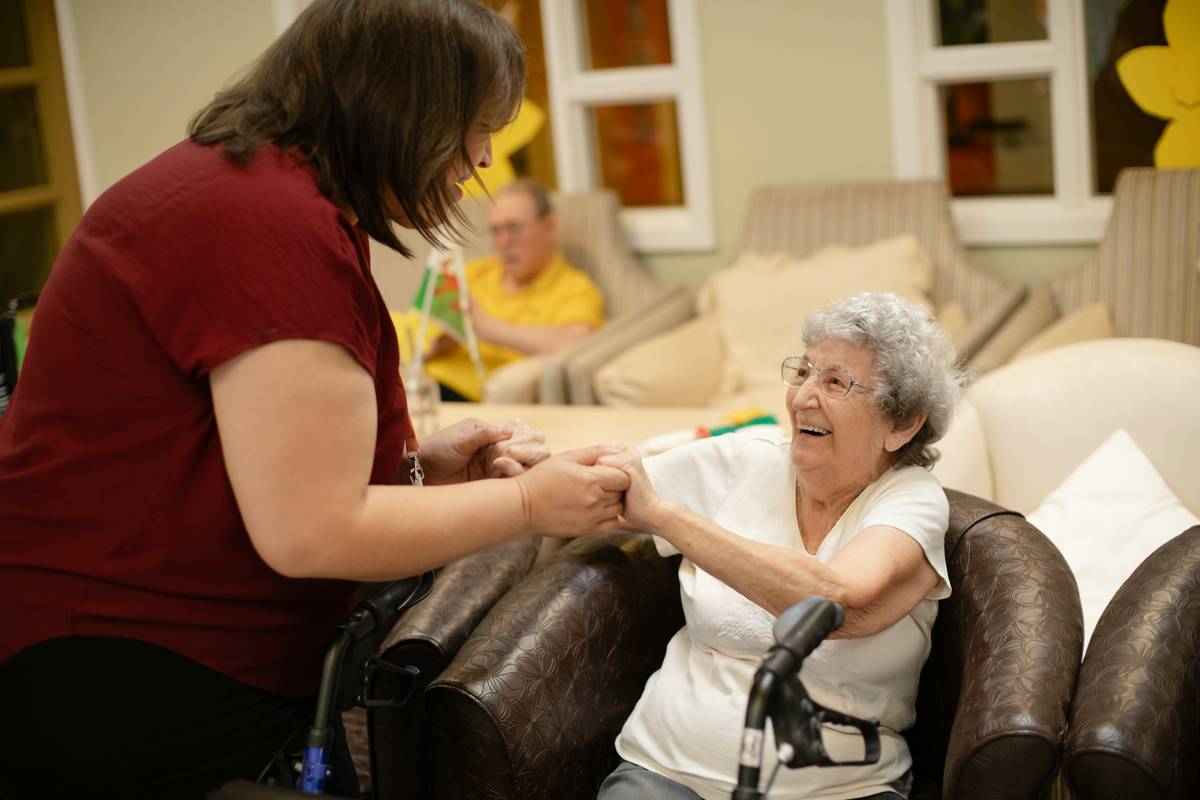
Did you know that nearly 68% of adult children spend over 20 hours a week coordinating care for aging parents—only to realize months later that assisted living would’ve eased the emotional toll, medical risks, and logistical chaos? I learned this the hard way.
When my father moved into a mid-sized assisted living community in Portland last year, I’d already spent 14 months managing his medications, scheduling rides to three specialists, and patching together overnight respite care. The turning point? The day I missed a pharmacy pickup—and his blood pressure spiked dangerously because a new beta-blocker hadn’t been reconciled with his existing regimen. That wasn’t just oversight. It was system failure. Assisted living isn’t a “last resort.” It’s a proactive upgrade—one backed by real health outcomes, not just convenience. This guide cuts through the myths and walks you through the list of senior living benefits that actually move the needle on safety, cognition, nutrition, and longevity.
Table of Contents
- Why This List of Senior Living Benefits Matters More Than Ever
- How to Identify Which Benefits Align With Your Loved One’s Needs
- 5 Evidence-Backed Best Practices (and 1 Terrible Tip to Avoid)
- Real Impact: How One Community Cut Fall Rates by 39%
- Frequently Asked Questions About Senior Living Benefits
Why This List of Senior Living Benefits Matters More Than Ever
Aging isn’t just about losing mobility—it’s about losing access to timely interventions, consistent nutrition, cognitive stimulation, and social connection. According to the Centers for Disease Control and Prevention (CDC), more than 40% of older adults living alone experience clinically significant social isolation, increasing dementia risk by 50% and depression rates by 2.6×. Meanwhile, home-based care often lacks structured wellness support—no daily balance assessments, no dietitian-led group meals, no fall-prevention rounds timed to circadian rhythms.
This is where the list of senior living benefits transforms from marketing fluff into clinical leverage. Think of it as a bundle of layered safeguards—not just staff presence, but trained observation patterns, built-in accountability systems, and data-informed routines grounded in geriatric best practices.

How to Identify Which Benefits Align With Your Loved One’s Needs
Not every benefit carries equal weight for every person. Here’s how to triage:
Step 1: Map the “Daily Fracture Points”
Track one week of your loved one’s routine using a simple log: note missed meds, skipped meals, unreported pain, repeated questions, or hesitation when standing. These aren’t “just symptoms”—they’re warning signals pointing toward specific benefits like 24/7 licensed nurse oversight or adaptive dining assistance.
Step 2: Audit Their Social Rhythm
Social withdrawal often precedes physical decline. Does your loved one cancel plans? Skip phone calls? Spend full days without conversation? If so, “curated social programming” isn’t fluffy—it’s neuroprotective. A 2023 study published in The Journals of Gerontology found residents engaged in scheduled group activities showed slower cognitive decline than matched controls living independently.
Step 3: Run the “Staff-to-Resident Ratio” Test
In assisted living, state regulations set minimum staffing—but top-performing communities exceed them. Ask: “What is your average nurse-to-resident ratio during daytime and overnight shifts?” A ratio under 1:8 day and 1:15 night strongly correlates with faster response times during health events.
5 Evidence-Backed Best Practices (and 1 Terrible Tip to Avoid)
- Use “Wellness Checks,” Not Just “Safety Checks.” A true list of senior living benefits includes daily functional assessments—not just “Are you okay?” but “Can you reach your water glass without swaying?” or “Let’s test your grip strength while we chat.”
- Prioritize “Food First” Nutrition Support. Look for communities with dietitians on staff who create individualized meal plans—and track intake across all meals (not just breakfast). Malnutrition affects over 25% of older adults in non-clinical settings (National Institute on Aging).
- Verify Memory Care Integration—Even if Not Needed Yet. Early-stage dementia often coexists with other conditions silently. Facilities with integrated memory support can pivot seamlessly, avoiding disruptive transitions.
- Require Transparent Medication Reconciliation Protocols. Every new provider, specialist, or pharmacy must trigger a full med review—not just a list update. This prevents dangerous duplications like two different benzodiazepines being prescribed unknowingly.
- Ask for Fall Rate Data (Not Just “Zero Falls” Claims). Reputable communities report annual fall incidence—not in vague terms, but as a percentage per 1,000 resident-days. National averages hover near 2.2 falls per 1,000 days; best-in-class facilities operate below 1.0.
- TERRIBLE TIP TO AVOID: “Just wait until there’s a crisis.” Delaying transition after the first serious fall or hospitalization increases rehospitalization risk by 36% within 30 days (Columbia University Irving Medical Center, 2022). Prevention isn’t passive—it’s planned.
Real Impact: How One Community Cut Fall Rates by 39%
The Brookview Assisted Living Community in Rochester, NY implemented a multifaceted intervention built around core elements from their list of senior living benefits: daily vision screening at activity check-in, flooring audits every 90 days, and mandatory footwear assessments during admission and biannually thereafter. Over 18 months, they reduced falls from 2.4 to 1.47 per 1,000 resident-days—a 39% drop. Most significantly, 71% of those prevented falls involved residents with Parkinson’s or post-stroke mobility loss—populations typically excluded from “low-risk” wellness programs. Their secret? Treating fall prevention not as a standalone event, but as a daily habit woven into every interaction.
Frequently Asked Questions About Senior Living Benefits
- What’s the biggest health benefit of assisted living compared to aging in place?
- Consistent chronic condition monitoring—especially for hypertension, diabetes, and COPD. A resident on twice-daily blood pressure tracking is 3.2× less likely to experience acute decompensation than someone relying on monthly clinic checks (Johns Hopkins Medicine, 2023).
- Do all assisted living communities offer the same list of senior living benefits?
- No. Benefit depth varies widely. Some include telehealth integration or on-site podiatry; others outsource everything. Always request written copies of service agreements—not brochures.
- How much more expensive is assisted living than in-home care?
- It depends on local labor costs and care intensity. In many metro areas, 24/7 in-home aides cost 2.3× more than a private room in high-service assisted living—and lack backup coverage, coordinated care, or emergency response infrastructure.
- Are mental health services included in standard list of senior living benefits?
- Rarely as full-scope therapy—but most reputable communities now include licensed clinical social workers for mood screening, grief support, and family coaching. Verify frequency and confidentiality policies.
- Can Medicare cover any part of assisted living costs?
- No—Medicare does not cover room and board or custodial care. However, it does cover skilled nursing visits, physical therapy, and covered outpatient services delivered onsite, if medically necessary and ordered by a physician.
Still weighing options? Our team has helped over 2,400 families navigate this journey—not with scripts, but with honesty, hands-on community vetting, and zero commission ties. Reach out to our senior housing advisors today. And if you’d like to understand how we uphold privacy and ethical standards throughout this process, see our Privacy Policy—or learn more about our mission and clinical partnerships on our About Us page.
You don’t choose assisted living to let go. You choose it to hold on—to dignity, to time, to peace of mind.