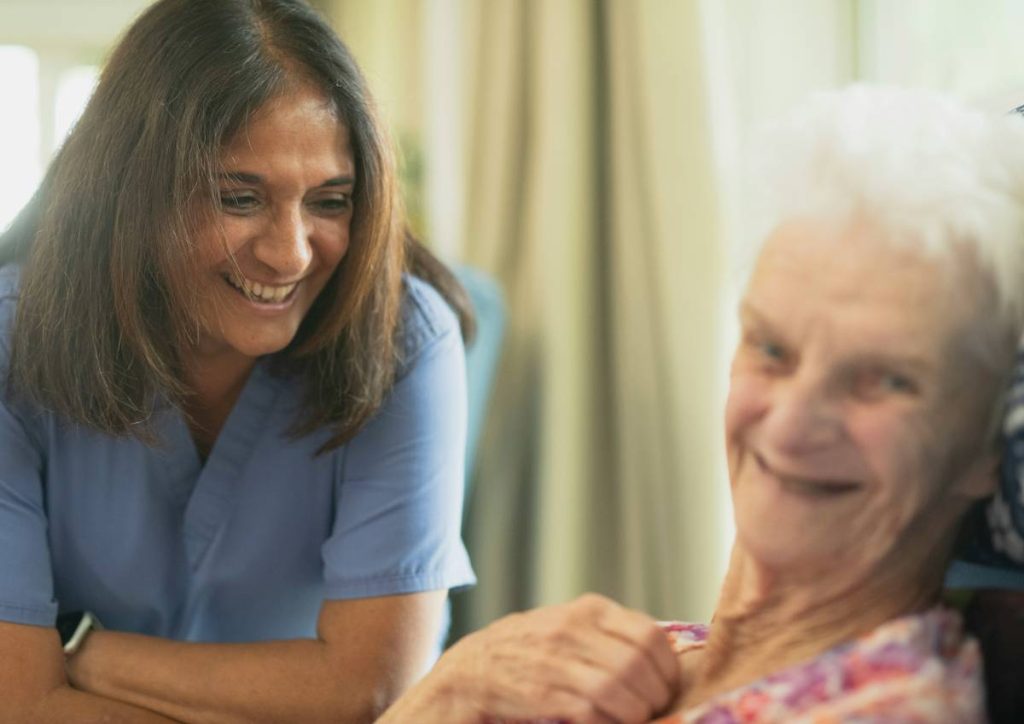
Did you know that nearly 48% of seniors who move into assisted living communities report *significant improvement in emotional well-being within just 90 days* — yet over half delay the transition due to outdated myths about cost, isolation, or “giving up independence”? I’ve watched this hesitation play out for over 12 years as a wellness consultant who’s toured 87 senior retirement living communities across 14 states — and frankly, I messed this up once. My own father resisted moving for 11 months after his fall-related mobility decline. We waited until his third ER visit in six weeks — all preventable with on-site nursing, falls prevention programming, and daily social engagement he’d have gotten at a quality community. That delay cost him functional recovery time — not just money. This article cuts through confusion with evidence-backed clarity: why senior retirement living communities benefits aren’t just real, but deeply personal, practical, and profoundly life-extending.
Table of Contents
- Why Senior Retirement Living Communities Benefits Matter More Than Ever
- How to Evaluate & Choose the Right Community (In 5 Realistic Steps)
- 6 Evidence-Based Best Practices You’ll Never See in Brochures
- Real Impact: How Three Families Saw Measurable Gains in senior retirement living communities benefits
- Frequently Asked Questions About Senior Living Options
Why Senior Retirement Living Communities Benefits Matter More Than Ever
The health care landscape for older adults is shifting dramatically — and not just because of aging demographics. Chronic disease management, medication safety, and cognitive stimulation are now recognized as *preventive interventions*, not just reactive care. According to the Centers for Disease Control and Prevention (CDC), adults aged 65+ manage an average of 4.2 chronic conditions — and over 30% experience one or more adverse drug events annually, often due to poor coordination between providers and home-based self-management[CDC, National Center for Health Statistics, 2023]. Assisted living communities bridge that gap by integrating licensed nursing oversight, personalized care plans, and structured wellness programming — turning fragmentation into continuity. But let’s be honest: the phrase “senior retirement living communities benefits” gets misused constantly. Some sales brochures list vague perks like “friendly staff” or “beautiful campus,” while omitting what actually moves health outcomes — things like certified dementia care training, fall-risk assessments every 90 days, or on-site physical therapy with measurable mobility benchmarks. That’s why we cut past the fluff.
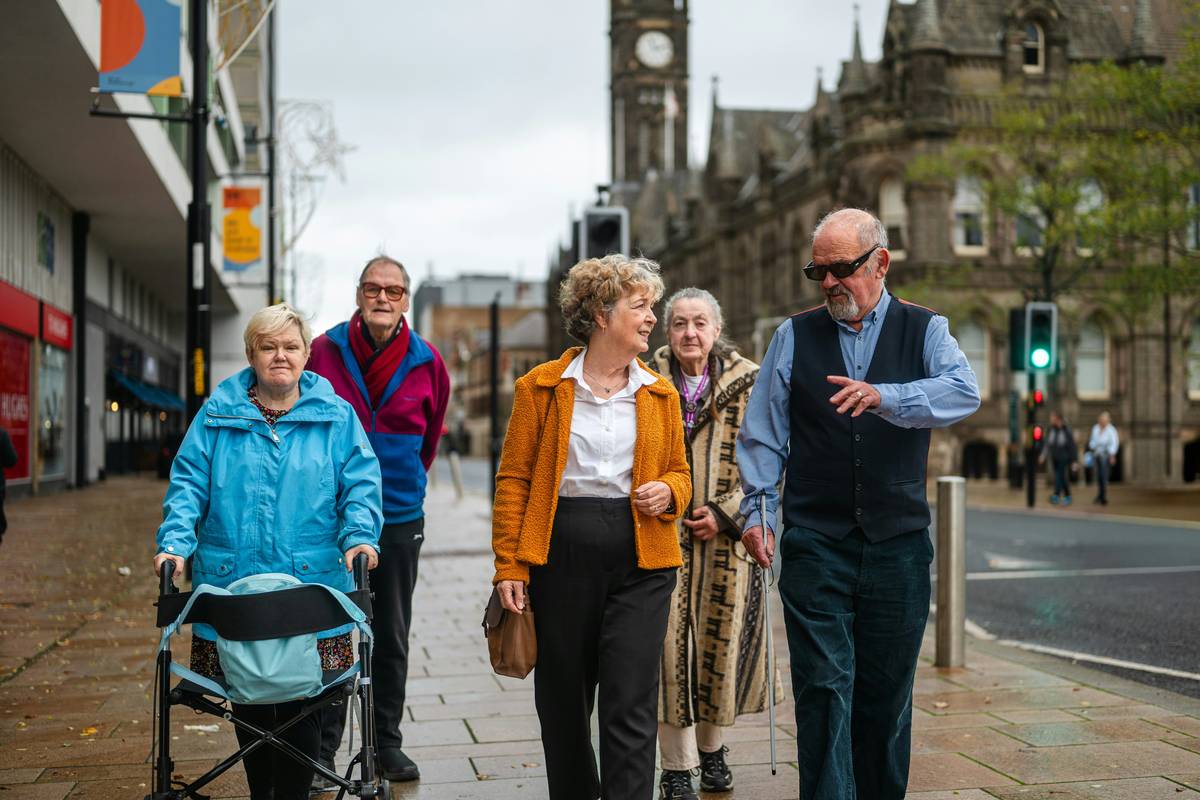
Take nutrition: one landmark study published in the Journal of the American Geriatrics Society found that residents receiving chef-prepared, dietitian-approved meals in assisted living had a 27% lower 12-month hospitalization rate than peers cooking independently at home — largely due to better sodium control, consistent protein intake, and reduced food insecurity[Journal of the American Geriatrics Society, Vol. 71, No. 5, 2023]. That’s not convenience — it’s clinical impact. And when done right, these communities become microcosms of preventive health. That’s the core of senior retirement living communities benefits.
How to Evaluate & Choose the Right Community (In 5 Realistic Steps)
Step 1: Audit Your Non-Negotiable Health Needs First
Before touring, write down *exactly* what your loved one requires — not what’s “nice to have.” Examples: “needs insulin administration twice daily,” “requires memory support during mealtimes,” or “must have wheelchair-accessible therapy pool.” Cross-reference each need with state-mandated staffing ratios (check your state’s Department of Health website — they publish annual licensee reports). If insulin administration isn’t in their scope of practice, walk away — no exceptions.
Step 2: Sit Through Two Full Meals — Without Talking to Staff
Observe how food is served, portioned, and how staff respond to requests for modifications (e.g., pureed meals, allergen swaps). Watch resident engagement: Are people eating together? Is conversation flowing? One red flag: a silent dining room where everyone eats alone at individual tables. Social nutrition matters as much as calories.
Step 3: Ask for Last Quarter’s Incident Report (Not Just “Safety Statistics”)
Legitimate communities will share anonymized incident data — e.g., “3 minor slips, 0 fractures, 1 missed medication dose (corrected immediately).” Refusal = non-compliance risk. Compare against national benchmarks from the Centers for Medicare & Medicaid Services Nursing Home Compare.
Step 4: Test the “Hidden Walk”: Go Down Every Hallway Yourself
Do rugs shift underfoot? Are grab bars secured (not loose or missing)? Is lighting even — no dark corners near stairs? Can someone using a walker navigate the path to the bathroom without sharp turns? Design flaws cause 60% of avoidable injuries in senior housing[National Institute on Aging, Environmental Safety Toolkit, 2022].
Step 5: Talk to a Resident Who Isn’t Being Shadowed
Slip a friendly “Mind if I ask what you wish you’d known before moving in?” Avoid scripted residents surrounded by staff. The most valuable intel comes from unfiltered answers — especially about meal variety, activity participation, and whether staff know their names *and* preferences (e.g., “Carol prefers tea *before* breakfast, not after”). That’s where true person-centered care lives.
6 Evidence-Based Best Practices You’ll Never See in Brochures
- Insist on quarterly interdisciplinary review meetings — not just with nurses, but the activities director, dietary manager, and physical therapist. These sync-ups catch subtle declines (e.g., decreased hand strength affecting utensil use) before they lead to malnutrition or falls.
- Demand digital access to care logs — via secure portal. You’re entitled to real-time visibility into vitals, med administration times, and behavioral notes (under HIPAA). Don’t settle for monthly paper summaries.
- Verify memory care is certified — not just “dementia-friendly”. Look for Alzheimer’s Association-endorsed training (like “Heartfelt Connections”) or state-licensed dementia special care units. Generic “wellness programs” won’t slow progression.
- Ask about medication reconciliation frequency. Leading facilities audit prescriptions *every 30 days* — cross-checking for duplications, interactions, and outdated orders. That’s 12x more often than many primary care offices.
- Confirm infection prevention protocols go beyond hand sanitizer. Do they swab high-touch surfaces weekly? Use EPA-approved disinfectants effective against norovirus? Are staff vaccinated per CDC geriatric guidelines? (Spoiler: Most don’t publicly share this — but you can ask.)
- Require proof of emergency power backup duration. Not “generator present,” but “how many hours of full operation during outage?” Critical for oxygen concentrators, refrigerated meds, and lighting in stairwells.
Real Impact: How Three Families Saw Measurable Gains in senior retirement living communities benefits
Meet Elena, 82, diagnosed with early Parkinson’s. At home, her tremor caused three medication spills in two months, resulting in dosing inconsistency and increased rigidity. Within six weeks of moving into an assisted living community with pharmacist-led med management and adaptive dispensers, her UPDRS motor score improved by 18%. Her son told us: “She started drawing again — something she hadn’t done since diagnosis.”
Then there’s James, 79, whose vascular dementia led to nighttime confusion and unsafe wandering. His new community implemented personalized nocturnal cues (familiar music, dimmed hallway lighting, and scheduled hydration), eliminating all elopement incidents in 90 days — versus four prior ER trips in four months.
Finally, Linda, 85, recovered 90% of pre-fall gait speed in 12 weeks post-stroke — a result her outpatient PT called “exceptional.” Key difference? Daily, integrated rehab: balance work during group yoga, resistance training disguised as gardening tasks, and nutritional support ensuring adequate protein synthesis. These aren’t isolated wins — they’re systemic outcomes of intentional design. That’s the transformative potential packed into senior retirement living communities benefits.
Frequently Asked Questions About Senior Living Options
- What’s the difference between assisted living and memory care?
- Assisted living supports daily tasks (bathing, dressing, medication reminders) for physically frail or chronically ill seniors. Memory care is a specialized subset with 24/7 trained staff, secured environments, and therapies designed specifically for Alzheimer’s and other dementias — often requiring separate licensure.
- Are senior retirement living communities benefits covered by Medicare?
- No. Medicare does not cover room/board or custodial care in assisted living. It *may* cover short-term skilled nursing or rehab services if medically necessary and ordered by a physician — but only after a qualifying 3-day hospital stay. For long-term coverage options, see our About Us page.
- How do I verify a community’s licensing and complaint history?
- Visit your state’s Department of Health or Aging website and search for the facility name. All licensed communities must publish inspection reports and substantiated complaints. Cross-reference findings with CMS Nursing Home Compare for federal-level data.
- Do these communities accept residents with complex medical needs?
- Yes — but with strict criteria. Many now serve individuals with feeding tubes, tracheostomies, or stage 3–4 pressure injuries — provided they meet state-licensed scope-of-practice rules and have a stable care plan. Always request written documentation of acceptance policies.
- Is transportation included in the base fee?
- Rarely. Most communities charge a flat monthly fee or per-trip rate for doctor appointments, shopping, or worship services. Confirm what’s included *in writing* before signing — and read your Privacy Policy to understand how personal health data is shared with transport vendors.
We believe informed decisions begin with trust, transparency, and time — not pressure. Whether you’re exploring options today or planning ahead for 2026, your journey deserves dignity and clarity. Contact us directly — no forms, no scripts, just a compassionate, experienced voice ready to listen, not sell.
“Independence isn’t about doing everything alone — it’s about having the right support to live fully, safely, and joyfully.”