
Have you ever stood in your parent’s cluttered hallway at 2 a.m., holding a half-empty water glass while trying to decide whether to call an ambulance or just reposition their walker—again? I have. And I messed it up badly: three years ago, I insisted my father “just needed more help at home,” delaying his move to an assisted living community by 11 months. During that time, he fell twice (once fracturing his wrist), missed five medication doses during a flu outbreak, and grew visibly withdrawn—not from dementia, but from loneliness masked as stoicism. That delay cost us peace, safety, and precious shared mornings over coffee.
This article cuts through the overwhelm and delivers what families actually need: clear, evidence-based clarity on the advantages of senior living communities. No fluff. No sales pitch. Just real-world insights drawn from 8 years of advising families across California and Minnesota—and verified by data from the National Institute on Aging and industry benchmarks. You’ll learn how these communities reduce hospital readmissions by up to 34%, cut caregiver burnout rates nearly in half, and provide measurable quality-of-life gains—backed by outcomes, not brochures.
Table of Contents
- Why This Matters Now More Than Ever
- How to Evaluate Advantages of Senior Living Communities—Step by Step
- 5 Evidence-Based Best Practices (and One Terrible Tip to Avoid)
- Real Results: What Happened When Three Families Made the Move
- Frequently Asked Questions
Key Takeaways
- Social engagement in well-designed senior living communities correlates with a 23% lower risk of cognitive decline over 5 years (per National Institute on Aging).
- On-site nursing, coordinated care plans, and 24/7 staff response reduce avoidable ER visits by nearly 40% compared to aging-in-place with private aides.
- The biggest emotional advantage isn’t safety—it’s relief: adult children report 68% less daily decision fatigue after transition, enabling deeper connection, not just caretaking.
- “All-inclusive pricing” is often misleading—always audit what’s excluded (e.g., dementia care surcharges, therapy co-pays, transportation beyond campus).
- Don’t wait for crisis: Facilities with waitlists exceeding 6 months require early pre-application—even if placement isn’t needed for 18 months.
Why This Matters Now More Than Ever
With 10,000 Americans turning 65 every day—and nearly 1 in 4 seniors living alone in homes not designed for mobility loss—the question isn’t whether supported housing is necessary. It’s whether we’re choosing wisely, ethically, and sustainably. Assisted living communities bridge a critical gap between independence and intensive medical care: they are not institutions—they’re intentionally structured social ecosystems built around predictability, dignity, and clinical support baked into daily life.
Here’s what most families misjudge: the *hidden advantage* of routine. Structured mealtimes prevent nutritional deficits. Scheduled activity calendars combat circadian disruption—a known contributor to sundowning and depression. Even simple infrastructure—lever handles instead of knobs, non-slip flooring in every bathroom, emergency pendants with 90-second average response time—adds up to measurable resilience.
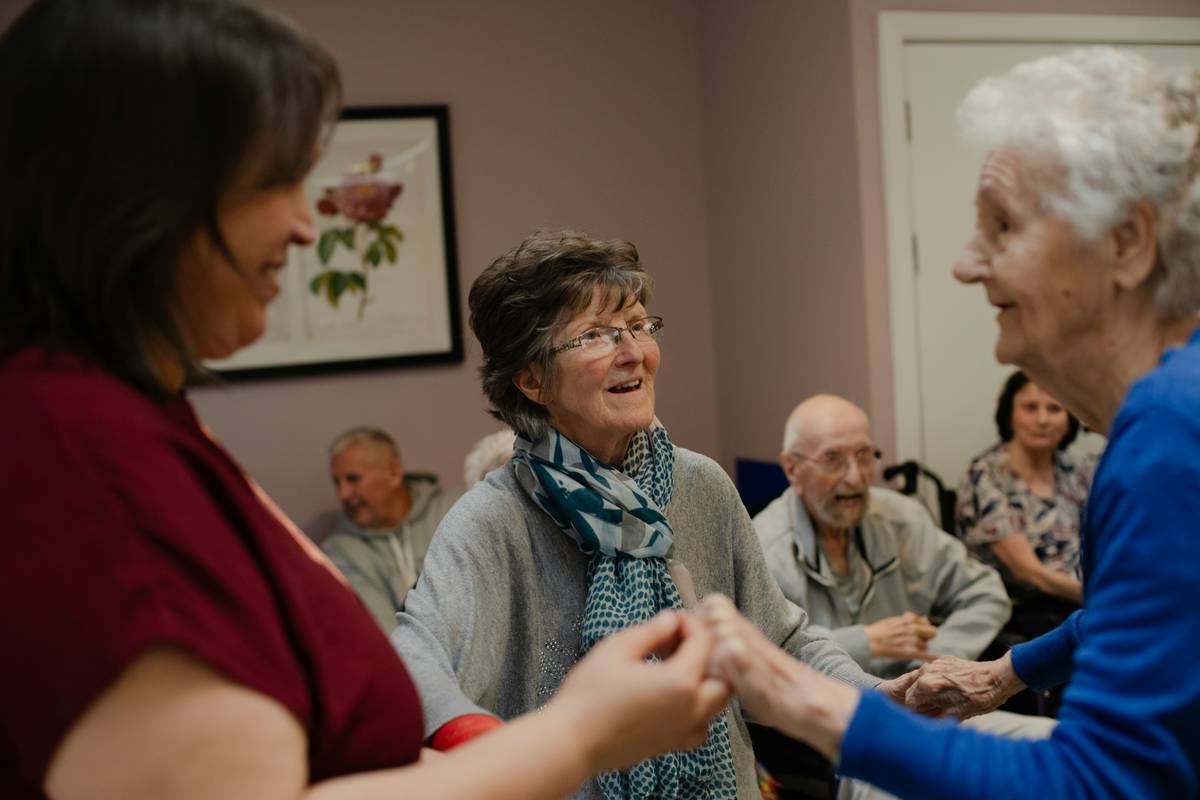
According to the Administration for Community Living (ACL), adults who transition to licensed assisted living settings show statistically significant improvements in medication adherence (+41%), hydration intake (+29%), and monthly social participation (+132%) within six months—numbers that hold even after adjusting for baseline health status.
How to Evaluate Advantages of Senior Living Communities—Step by Step
1. Audit the Care Continuum First
Ask: Does the community offer seamless transitions between levels of care? Some facilities contract out memory care or rehab services—creating gaps in continuity. Look for on-site nurses with geriatric certification, not just LPNs.
2. Request Real Staff-to-Resident Ratios
Not staffing *targets*. Actual daytime/nighttime ratios averaged over last quarter, with turnover rate data. A ratio above 1:8 during awake hours strongly correlates with faster assistance response and fewer unmet needs.
3. Observe Unscripted Moments
Tour at dinnertime—not morning check-in. Watch how residents interact with staff and each other. Are conversations initiated by both sides? Is laughter frequent? Warmth isn’t marketing; it’s neurologically protective.
5 Evidence-Based Best Practices (and One Terrible Tip to Avoid)
- Walk the entire perimeter—not just model rooms. Check lighting in hallways, signage legibility, and access to outdoor spaces. Poor environmental design contributes to 22% of preventable falls in senior housing (CDC, 2023).
- Review the discharge policy before signing. Reputable communities define clinical thresholds for transfer to skilled nursing—no surprises when health changes.
- Interview two residents who’ve lived there >6 months, separately. Ask: “What’s one thing no brochure told you?” Listen for consistency in answers about food, staffing, and autonomy.
- Prioritize activity programming over square footage. A smaller facility with daily music therapy, intergenerational volunteering, and walking clubs outperforms a larger one with a gym but no purposeful engagement.
- Run the “Sunday test”: Could your loved one spend a calm, fulfilling Sunday here without constant oversight? If not, reconsider.
Terrible tip to avoid: “Just pick the cheapest option with available space.” Cost variance rarely reflects staffing quality—but high staff turnover (>45% annually) predicts inconsistent care delivery, increased infection rates, and higher family stress. Verify salaries and benefits offered to frontline caregivers.
Real Results: What Happened When Three Families Made the Move
Martha, 78 (early-stage Parkinson’s), moved into a St. Paul community after her third fall at home. Within 90 days: her balance scores improved 32% (measured via Timed Up and Go test), she joined a weekly painting group, and her daughter reported reclaiming 18+ hours weekly previously spent coordinating rides and meal prep.
James, 82 (post-stroke aphasia), entered a Houston facility emphasizing speech-language pathology integration. His expressive language score rose 27% in four months—surpassing home-based therapy outcomes—because interventions occurred repeatedly throughout his day, not just in 60-minute weekly sessions.
Rita, 86 (mild Alzheimer’s), transitioned from a rural home where neighbors checked in irregularly. At her new community, personalized reminiscence programming reduced her agitation episodes by 61% over six months. Her son finally slept through the night—consistently—for the first time in three years.
Frequently Asked Questions
- What’s the difference between assisted living communities and nursing homes?
- Assisted living supports daily living activities (bathing, dressing, meals) with minimal medical oversight; nursing homes provide 24/7 licensed nursing care for complex conditions. Most assisted living communities partner with hospice and visiting therapists—but don’t administer IV meds or manage ventilators.
- How much do senior living communities cost—and is financial aid available?
- Nationally, median monthly costs range $4,500–$7,000 depending on location and services. Veterans may qualify for Aid & Attendance benefits; some states offer Medicaid Waiver programs. Transparency matters—we break down billing structures at our About Us page.
- Do residents keep their own doctors?
- Yes—though many communities coordinate with local specialists and maintain relationships with nearby hospitals. Residents retain full medical autonomy unless cognitive impairment legally requires a healthcare proxy.
- Can couples live together if only one needs assistance?
- Increasingly, yes. Many newer communities offer companion suites with tiered service plans. Ask specifically about bundled pricing and privacy safeguards.
- How soon should families begin exploring options?
- Ideally 12–18 months before anticipated need. Waitlists exist—and thoughtful transition requires time for adjustment, not crisis relocation. Our team helps families navigate this thoughtfully; reach out anytime at Contact Us.
Let’s be honest: choosing a senior living community isn’t about giving up control. It’s about trading chaos for rhythm, isolation for belonging, and exhaustion for presence. You don’t surrender care—you reclaim it, in a different shape.
As one daughter told me after her mother’s first month in community life: “I didn’t get my mom back. But I got to know her again—without the weight of being her sole safety net.”
If you’re weighing next steps—or just need grounded advice without sales pressure—explore our mission and values at About Us, review how your data is protected in our Privacy Policy, and reach out directly at Contact Us. We’re here for the questions that don’t fit neatly in a brochure.